





Occupational health in the construction industry

The term ‘health’ has evolved over time from referring simply to the body's ability to function, to include physical, mental and social wellbeing.
According to ‘Occupational health risk management in construction. A guide to the key issues of occupational health provision’ published by the Health and Safety Executive (HSE) in November 2015:
| Occupational ill health refers to all health problems in the work environment. The term covers health problems workers bring to the workplace, as well as health issues caused or made worse by work. It covers serious and fatal diseases, physical effects on skin, breathing, hearing, mobility and functioning, and psychological effects on mental wellbeing. Effects may be immediate and visible, but are more often unseen and take a long time to develop, so vigilance and monitoring can be key to identifying problems. Some effects can be cured if diagnosed early; many can only be prevented from getting worse. Of course, some diseases are terminal. |
The guide was published due to a “...widespread misunderstanding of what ‘occupational health’ means in the construction sector and the employers’ misguided perception that health is more difficult to manage than safety”.
It suggests that construction workers are at least 100 times more likely to die from a disease caused or made worse by their work than they are from a fatal accident. It proposes that managing workplace health helps employers to retain experienced and skilled workers, and it helps employees maintain productive employment.
Key occupational health risks include:
- Exposure to asbestos, dusts including silica and lead.
- Chemicals, sunlight, diesel engine exhaust emissions.
- Frequent loud noise.
- Frequent or excessive use of vibrating tools.
- Frequent or excessive manual handling of loads.
- Stress and fatigue.
The guide proposes a risk management cycle that includes:
- Identification of hazards.
- Assessment of risks.
- Selection of controls.
- Implementation and recording of findings.
- Monitoring and review.
Occupational hygiene is the professional discipline of recognising, evaluating and controlling risks to health in the workplace to prevent ill health.
For more information see: http://www.hse.gov.uk/aboutus/meetings/iacs/coniac/coniac-oh-guidance.pdf
[edit] Related articles on Designing Buildings
- Asbestos.
- CDM.
- Changing attitudes towards the mental wellbeing of early career Architectural Technology professionals.
- Construction Industry Advisory Committee.
- Control of Substances Hazardous to Health (COSHH).
- Deleterious materials.
- Dust.
- Environmental health.
- Hand-arm vibration syndrome.
- Health and safety consultant.
- Health and safety executive.
- Health and safety offences, corporate manslaughter and food safety and hygiene offences definitive guideline.
- Health and safety.
- Health.
- Heat stress.
- ISO/PAS 45005 Guidance for working safely during COVID-19.
- Mental health.
- Occupational accident.
- Occupational health risk management in construction. A guide to the key issues of occupational health provision
- Occupational injury.
- Personal protective equipment.
- Reporting accidents and injuries on construction sites.
- Silica.
- Understanding mental health in the built environment.
- Vibration white finger.
- Wellbeing.
- Work at height regulations.
- Working in confined conditions.
Featured articles
Check out some of the best features and news from Designing Buildings as well as key stories from around the web.

Government scraps pre-application consultation for Nationally Significant Infrastructure Projects.
Historic England and infrastructure
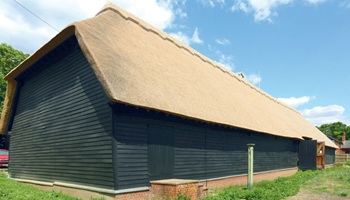
New projects offer opportunities for the historic environment and local communities.
Construction Management, 2 June

Construction deaths halve in two years.
Green Book changes to drive investment in all parts of UK.
Minimum energy efficiency standards (MEES)

CIAT briefing on response to consultations for privately rented non-domestic properties.
Connect, collaborate, shape the future

Registration now live for UK Construction Week Birmingham.

CIOB announces Saul Humphrey FCIOB as new President for 26/27 term.

A quick, simple, and zero-bills solution to prevent overheating.
The adaptive reuse of large industrial structures.
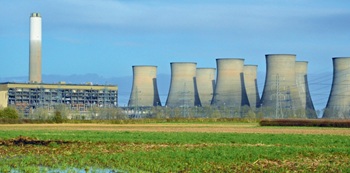
Promoting the circular economy by extending the life of buildings.
CIAT responds to Climate Change Committee report

An urgent wake-up call for both government and the built environment.
Construction Management, 24 June
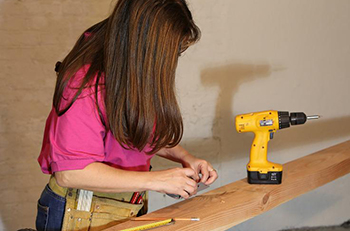
FMB pilot aims to build pipeline of site-ready tradespeople.

A quick introduction.